Sippin' bourbon, from the first glass.
Everything a new sipper needs to read what's in the glass: color, nose, proof, the eight palate notes, and the tells that tell one distillery from another. Taught the way Socrates teaches: a question first, the answer when you've had a go.
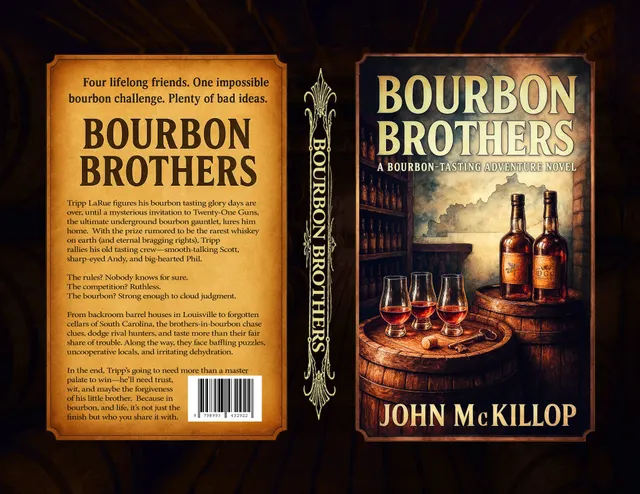
The method in these lessons is the one the characters in Bourbon Brothers use at the table, and those characters are drawn from real sippers with decades of glasses behind them. What they do by instinct, Socrates asks you to do on purpose.
What bourbon is.
Bourbon is a legal definition before it is a flavor. Four rules make the whole category, and one of them is why the color in your glass can be trusted.
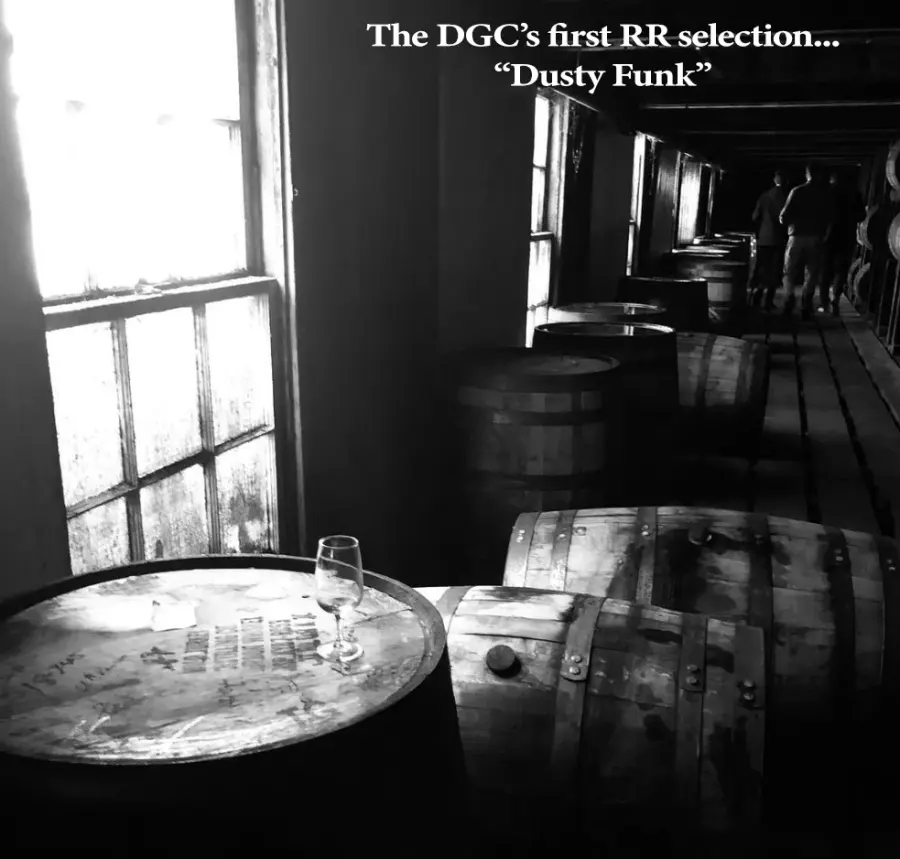
At least 51% corn. The rest is a "flavoring grain" (rye or wheat) plus malted barley. That choice is the first fork in the road.
New charred oak, every barrel, once. Nothing reused, nothing from Spain. Most of what you'll taste comes from that barrel.
Distilled under 160 proof, barrelled under 125, bottled at 80 or more. The entry proof shapes how much the barrel can give.
Nothing added. No coloring, no flavoring. "Straight" bourbon has aged at least two years. "Bottled in bond" is four years, 100 proof, one distillery, one season.
Socrates asksTwo bourbons, one much darker. Could a distiller have simply colored it?+
No. Straight bourbon can't carry coloring. Every shade came from the barrel. So color is evidence, not decoration.
That rule is why Lesson 3 exists. In Scotch or many rums, color can be added. Here it can't, so you get to read it.
A label reads "Kentucky Straight Bourbon." What does the word "straight" promise?+
Two years in the barrel, nothing added. It says nothing about quality. It says the whiskey has had time for the oak to start its work.
If the barrel is new every time, what's doing the ageing: the whiskey or the wood?+
The wood, mostly. Vanilla, caramel, the color, the oak itself. Kentucky summers push the spirit into the char; winters pull it back. That breathing is where the glass gets most of its character.
No additives means color, sweetness and oak in a bourbon are earned in the barrel. Read them as facts.
The glass and the Method.
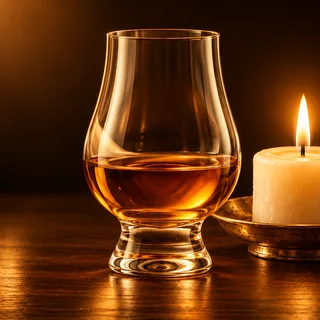
You don't need a special glass, but a tulip shape (a Glencairn) gathers the nose. One pour, neat, is the whole lesson tonight.
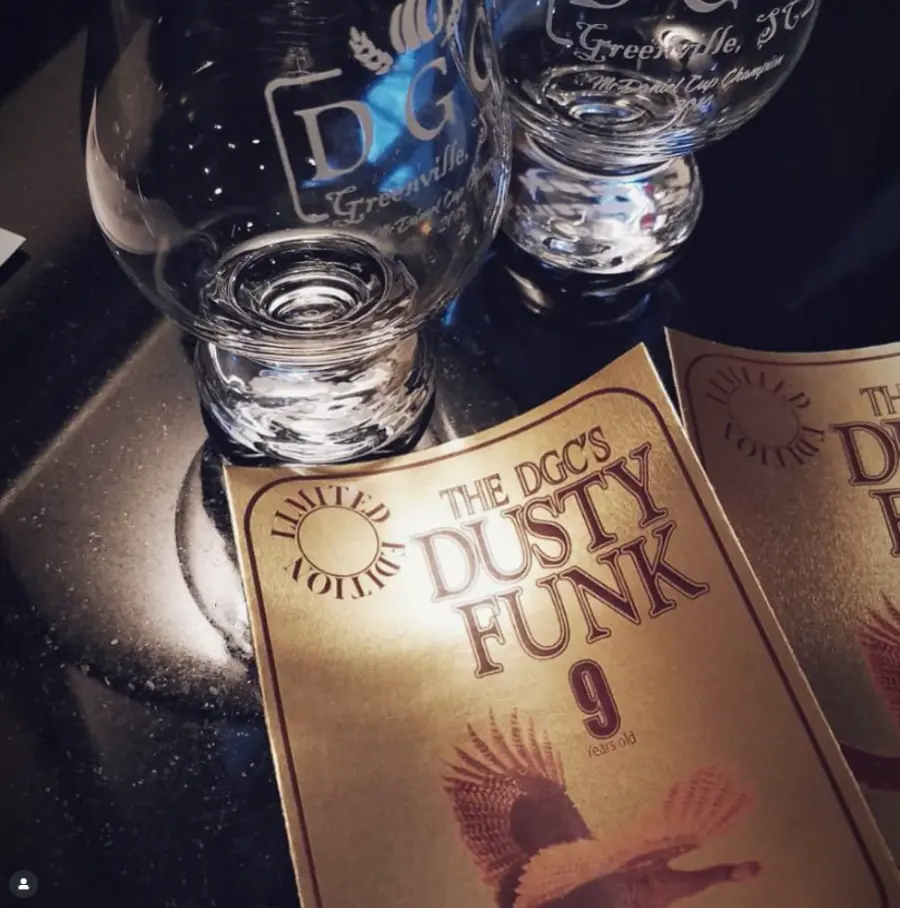
Nose with your mouth slightly open. It lets the alcohol escape instead of stinging. Short sniffs, glass tilted, nose at the rim, not in it.
The first sip is a calibration, not a read. Your palate adjusts to the proof. The second sip is where the notes show.
Let it coat the whole mouth (the Kentucky chew) before you swallow. Then count the finish.
A few drops of water opens a high-proof pour. It's a tool, not a confession.
The Bourbon Brothers™ Method reads a glass in order: color, then nose, then proof, then the palate in four pairs. Only then comes the Reveal, where your read meets the public record for that pour. The order matters, because each stage narrows what the next one can be.
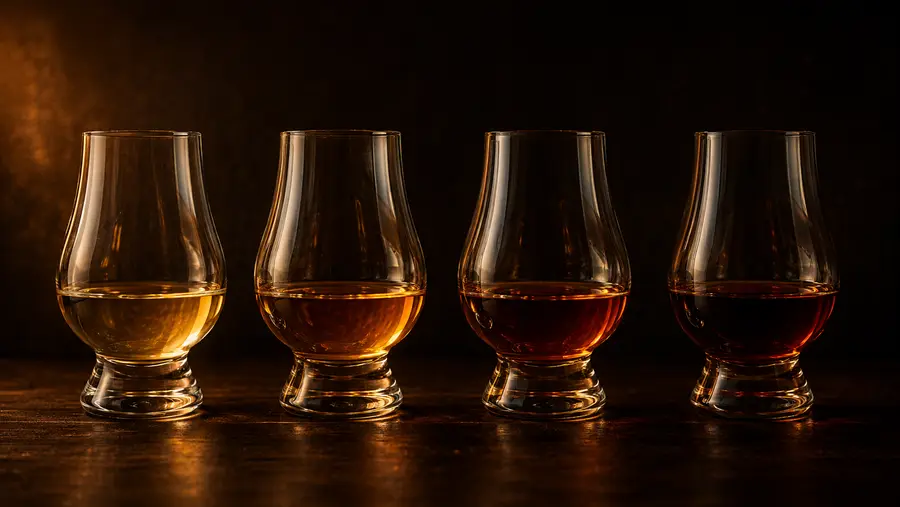 1 · Color
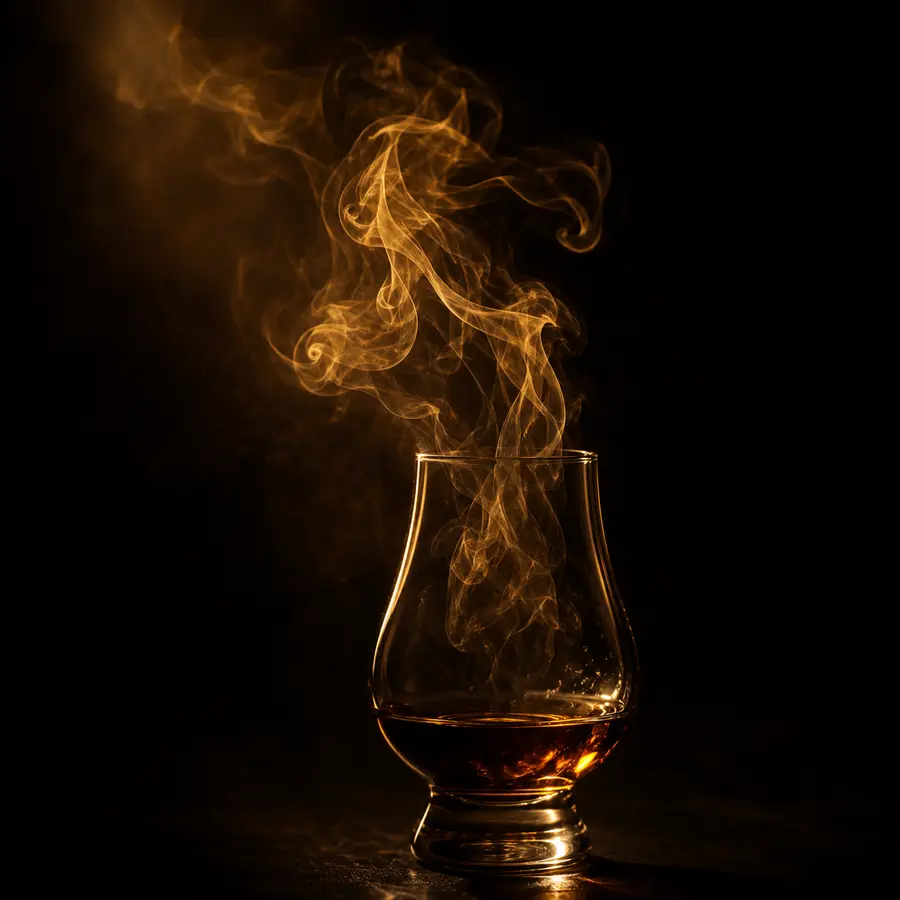 2 · Nose
 3 · Proof
 4 · Palate, then the RevealSocrates asks
Your nose stings on the first sniff. What have you just learned about the glass?+
Something about its proof. Nothing about its flavor yet. Pull back an inch, open your mouth, try again. The sting is an instrument reading, not a verdict.
Why would a method look at color before smelling anything?+
Because color narrows the field before your senses can be fooled. A dark glass is unlikely to be young and low proof. You've already ruled things out, and you haven't tasted a drop.
Color, nose, proof, palate, Reveal. Same order every glass, so your reads can be compared.